An Ode To My Father-In-Law
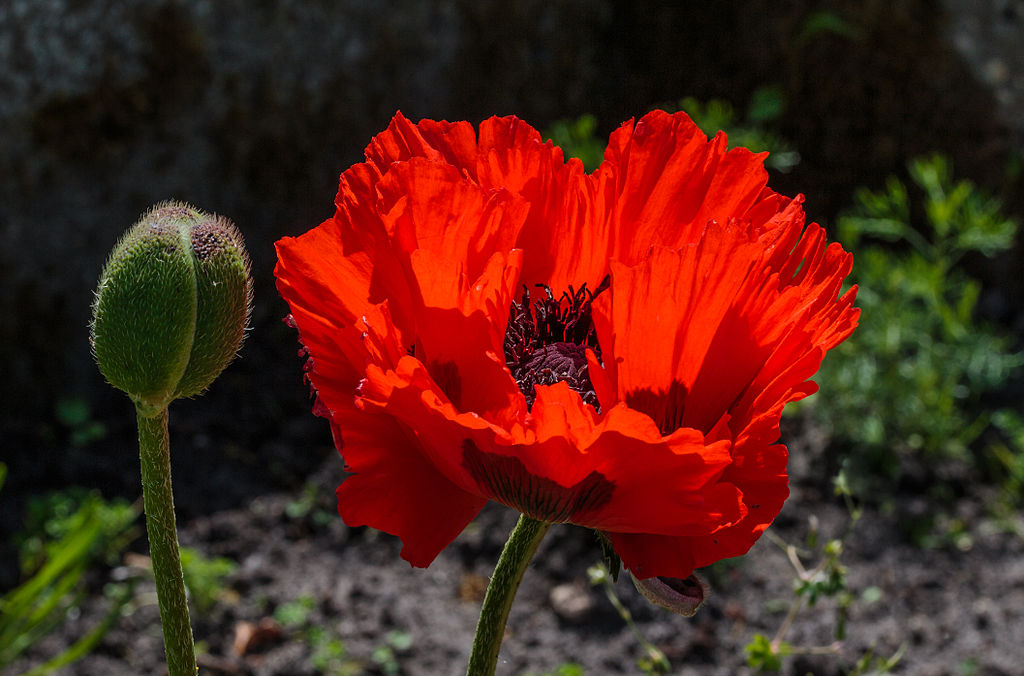
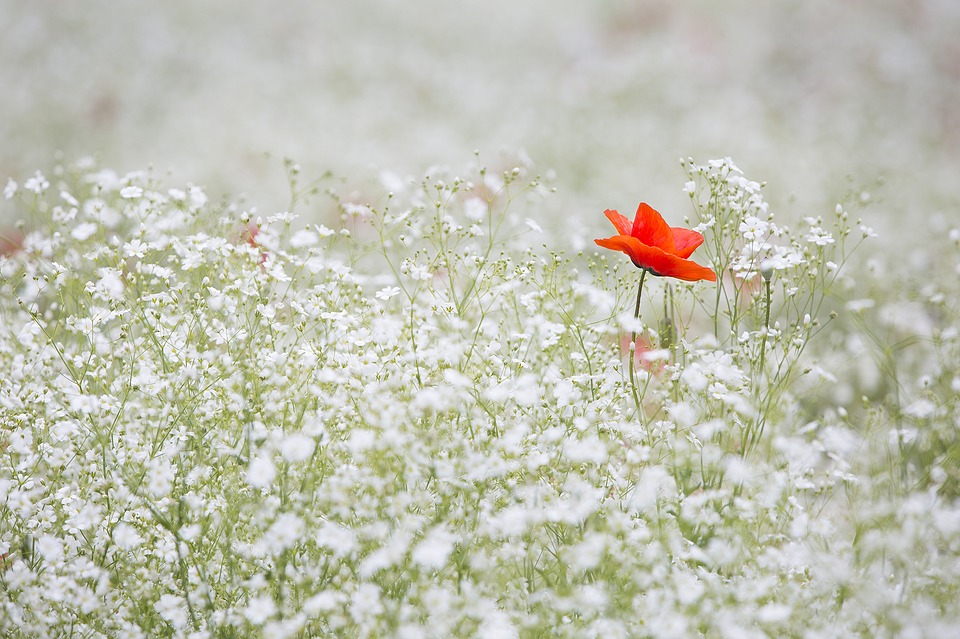
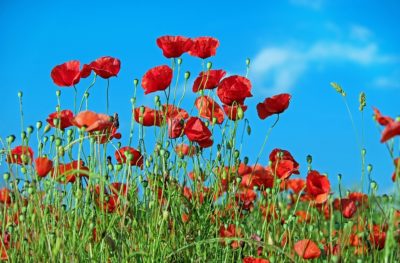
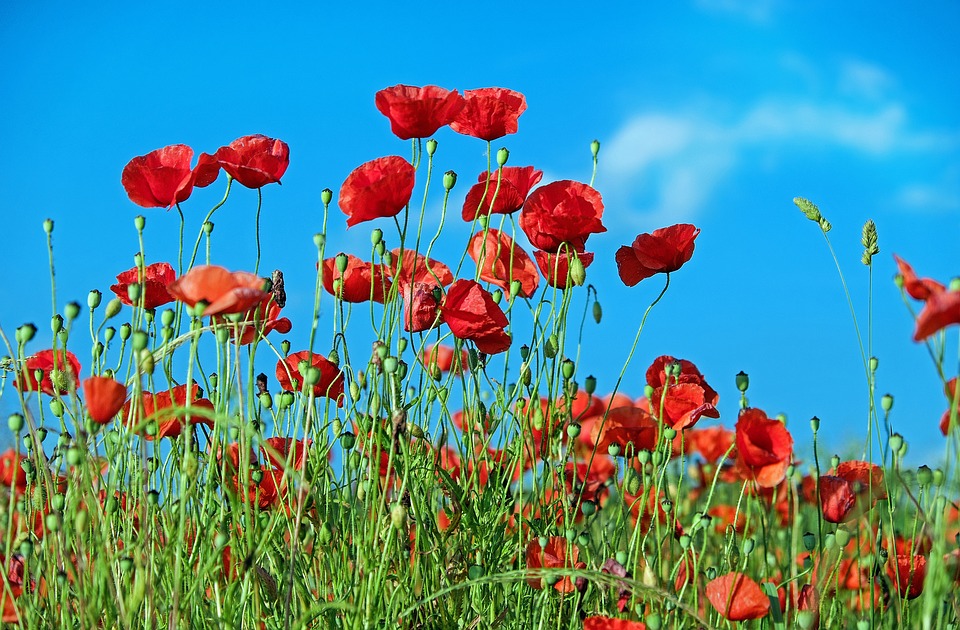
The red field poppy is an annual flower that blooms between May and August. Its seeds are scattered on the breeze and can lie dormant in the ground for years. If the ground where the poppies are buried is churned in the early spring, the seeds germinate, and with good light and rain, the poppies will blossom within weeks.
 Throughout World War I, in many of the French and Belgium battlefields, the fighting so agitated the soil that spring brought blankets of red poppies scattered between the trenches. Think of this – in Flanders alone – made famous by McCrae’s In Flanders Fields– over 500,000 men died. In the Battle of the Somme, which took place over 140 days between July and November 1916, three million men fought, and over one million were wounded or killed. Over 1 million men is an unimaginable number. This means over 7,000 bodies dead or wounded daily, with only primitive field hospitals for care. After such an apocalypse, I would have been astonished that such beauty as the red poppies could still exist. I wonder how many soldiers saw the beauty, too, even in those darkest of moments? Or was their capacity to know beauty completely extinguished by all the devastation?
I have never been to war, but I have lost many people I have loved. At times, the pain and emptiness from this death has been so raw, so devastating, so defeating, that it felt there was nothing else but hurt and darkness. During the Battle of the Somme, imagine what else would have been there with the pain – terror, hatred, deafening noise, burnt flesh, the scream of wounded horses, exhaustion, courage, chaos, anguish. If I had been at the Somme, there would be the dead whose lives I would had taken with my own hands.
Still, time passes. Responsibilities continue. Battles end one day. Life’s persistence, its loveliness, its resilience once again catches me out. The sad darkness in which I am cocooned becomes a bit murkier, a bit less dark. Emerging tentatively, gingerly from the shroud, I am not the same me. Each loss makes its presence known. Still, one day something unexpectedly makes me laugh and laugh, and the laughing feels so good, and I am astonished that I still know how.
 So instead of dinner, Grandpa now comes late morning, and stays for lunch. I do the day’s cooking while he is with us. Grandpa used to love to cook, and he likes to see me cook now. Cooking while we visit allows me to multitask. Multi-tasking means preserving at least some of the day for things other than Grandpa.

 I believe in elves. I believe in the forest-living, magical creatures perhaps with pointed ears, perhaps with long straight silken silvery hair; certainly, with silent feet and a quiet, luminescent virtue. In that place where childhood is still alive inside, where laughter plays like sunlight on water, I intuit them. I sense them on dappled forest paths warm from sun. I hear them in the soft sound of leaves whispering. They are so near that I can catch their iridescent sleeves, if only knew where to stretch my arms. They are fleet of foot and flitting. I hear their laughs like jingling bells gently chiming. They congregate deep in the ancient forests, impervious to the Siberian cold, the Amazonian heat. Their wisdom is deep and long like time.
 During his 1991 visit, instead of finding the refugees, Kapuscinski and the High Commissioner discovered that the camp had been attacked, wrecked and deserted. As the High Commissioner had received news from the camp just days before, this devastation was recent, and 150,000 refugees had now disappeared. As Kapuscinski and the High Commissioner walked the ruins, they came upon on a causeway that took them over mosquito-ridden marshes smelling of rot. At the end of the causeway they found some scattered, waterlogged huts, and about 200 people sitting or lying in the shallower pools of water. They had stayed, hoping aid would find them. They said that if they received aid, their life wasn’t so terrible. Without the aid, they would soon die.

 It was when we were making our way to the elevator that I realized that Joan wasn’t well. Indeed, she had an asthma attack on the short 15 paces to the elevator. In the end, we agreed that Joan should stay in Grandpa’s apartment to rest as she didn’t want to see the downstairs doctor. She would only drive home when she was feeling well, maybe after taking a nap for a bit as it was still early. She had been up several times with Grandpa the night before. I would take Grandpa with me.
 This idea of interconnectedness becomes more tenuous when we think of our local dry cleaner or the checkout girl at the nearby grocery store. When we pay for clean clothes or food, our money goes on to feed and house and educate their families, just as people who use our work help pay for our gas and our dishwasher soap. But perhaps the most interesting are the connections we have to strangers, about which we are unaware. The balloon that escapes our hand distracts the driver who then fails to see the traffic light, killing the mother crossing the street. We are oblivious of this death, but our hand still had a part.


 We took this to mean that everything constructive had the potential to increase Husband’s long-term survival by some fraction of a percentage point, and we did it all: support groups, meditation, nutrition, comedy, visualization, garnering support from friends and family. We read every bit of research we could find, and then grilled our doctor about the studies. We were informed and involved medical consumers. Obviously, we had no exact way to measure how much eating better or reading the latest medical studies improved our numbers. Regardless, as Husband was fighting for his life, we wanted to claim every smidgen of percent that we could.
 When Husband’s sister had her brain hemorrhage, I asked the nurse what questions she would be asking if she were me, and then I typed them down. Having a written list to which I can refer when seeing the doctor means that our time together is maximized, and I don’t forget to ask everything I want to know. I like to make friends with the nurses, to learn their names, and to thank them continually for all their efforts on our behalf. I find this makes the nurses more engaged. While it can be impossible for a nurse to form a bond with a surly, complaining, half-crazy, elderly patient, they certainly can form a bond with me, and that bond helps them care for difficult Grandpa with greater grace. It means that Grandpa is less likely to be strapped to his bed at night because no one could bother yet again to remind him that he has a catheter in place, so going to the toilet isn’t an option.
 Once I joined Grandpa in the Director’s office, I again tried to reason with Grandpa. He responded by accusing me of trying to kill him. Even after patting me down and checking in my purse for a gun, he refused to go out the door without a police escort. I tried to coax him, even to physically pull him, but alas. Instead, he stayed fixed in his chair by the director’s desk, writing chaotic notes in shaky handwriting that made no sense at all.
 For me, worry happens when I obsessively dwell on some real or imagined issue. Eventually the dwelling gives way to an overwhelming feeling of unease which obfuscates all else like a dark dense mist. Almost always I worry about the potential for something to happen, as opposed to what is actually happening. When current facts are actually troublesome, I tend not to fret. Instead, I go into proactive, problem-solving mode, where apprehension is buried by resolve.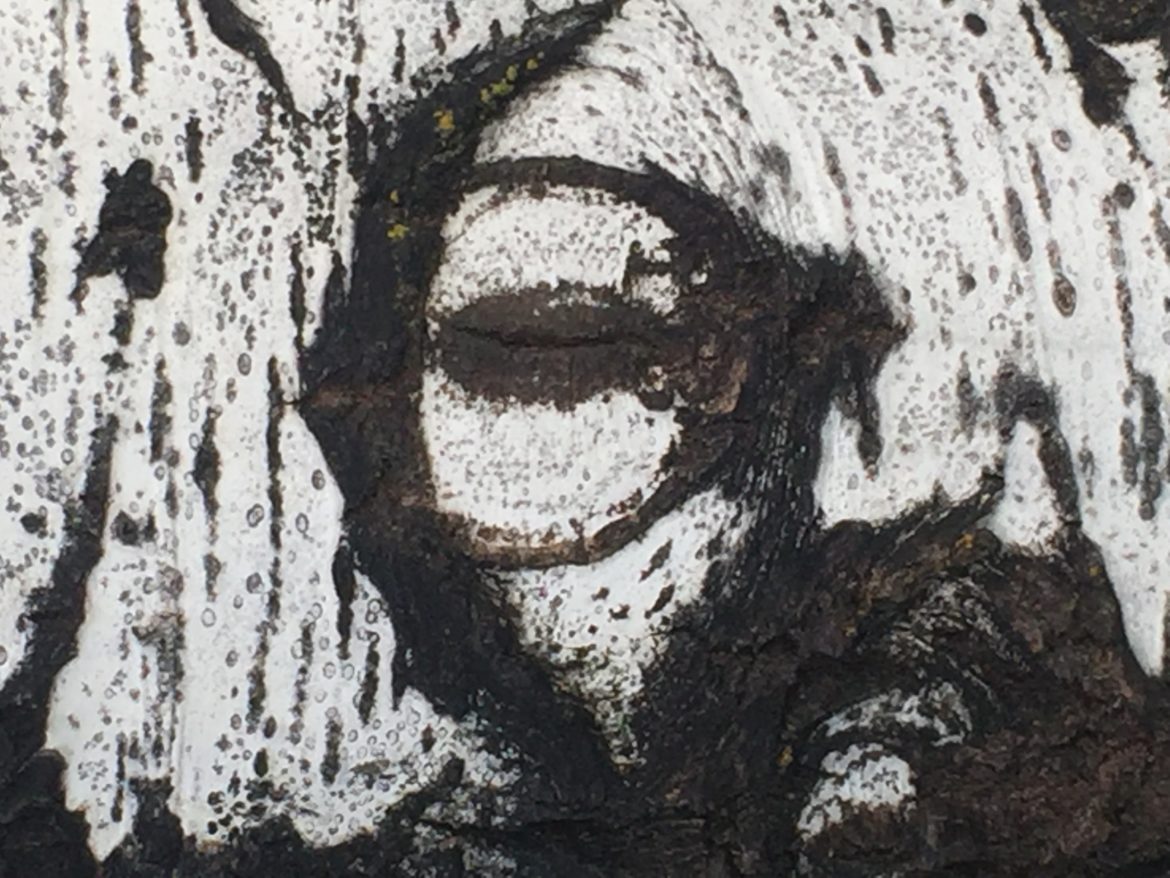
 Today, I can handle Grandpa and the demands of his care. Today, I don’t shrink from Grandpa’s penis. Yesterday Grandpa’s penis definitely made me balk. Tomorrow? When the caregiver is out, and Grandpa poos in his pants? Will I be able to clean up the mess? Wipe his bottom? Even the idea of it constricts my stomach with dread. Gross and yuck and it is just too much! Especially as it is highly unlikely that Grandpa will cooperate.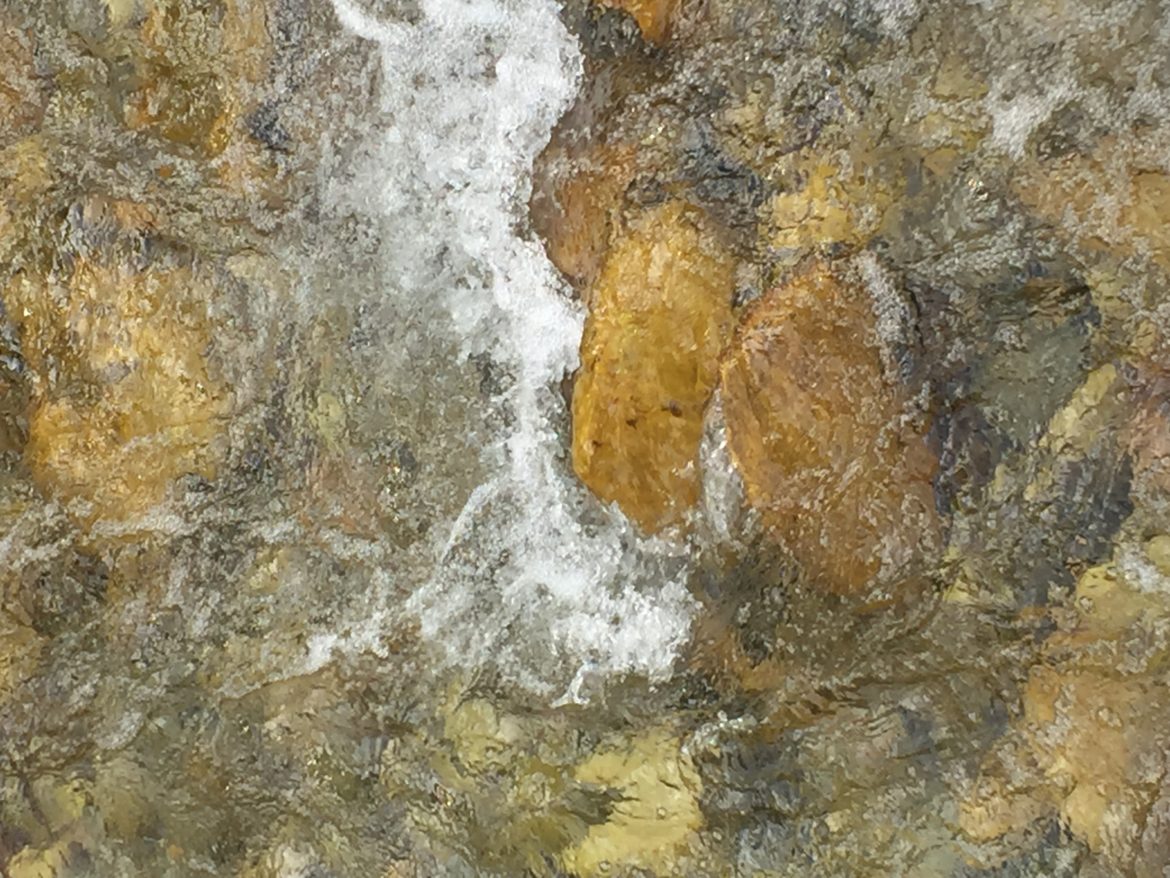

 After Grandpa retired, approaching seventy, I think the decade that followed was probably Grandpa’s happiest. He had raised two brilliant, kind, successful children- Husband’s sister, now a world-renowned orthopedic pediatric surgeon. His children were having children, and his grandchildren lived close enough so that he could enjoy them regularly, while perhaps not so close that they created additional responsibility. He had a wife of 50 years, the pleasure of each other’s company they were both rediscovering, now that life’s pressures were mainly behind them. He had financial security, and the satisfaction that his whole life’s work had come to respectable fruition.

 Ainis Nin once said that each friend represents a world in us, a world that would not have existed, if that friend had not arrived. Because we were so different, I think this was especially true for Kim and me. Our friendship gave us each fresh perspective, and this perspective enriched both our lives.
 By the time we pulled safely into the driveway, the hail had stopped, and the rain had eased enough that the children were delighted to run through its summer-warm wetness. I soon gave up making them come inside to get dry. Instead, I let them roll down the grassy front yard slope, getting wet head to toe. Finally herded inside, I stripped giggling children in the hallway while Grandpa went to put on the kettle to heat the pasta water.
 “Is that the ocean?” Grandpa asked, as we rested this way.
 Grandpa’s funeral was small and beautiful. Husband gave a moving eulogy, and tears flowed down our cheeks. Disparate family gathered, and it was so nice to be together. Coming to Hawaii from London, from the East Coast, from the Midwest in February caused people to want to linger, even if for just an additional 24 or 48 hours. Instead of us all flying in for a shivery Boston service, and then heading out again the same day, we all stayed just a little longer. Many Grandpa memories were shared as our cheeks bronzed, as we buried toes in warm sand while we drip-dried on towels.